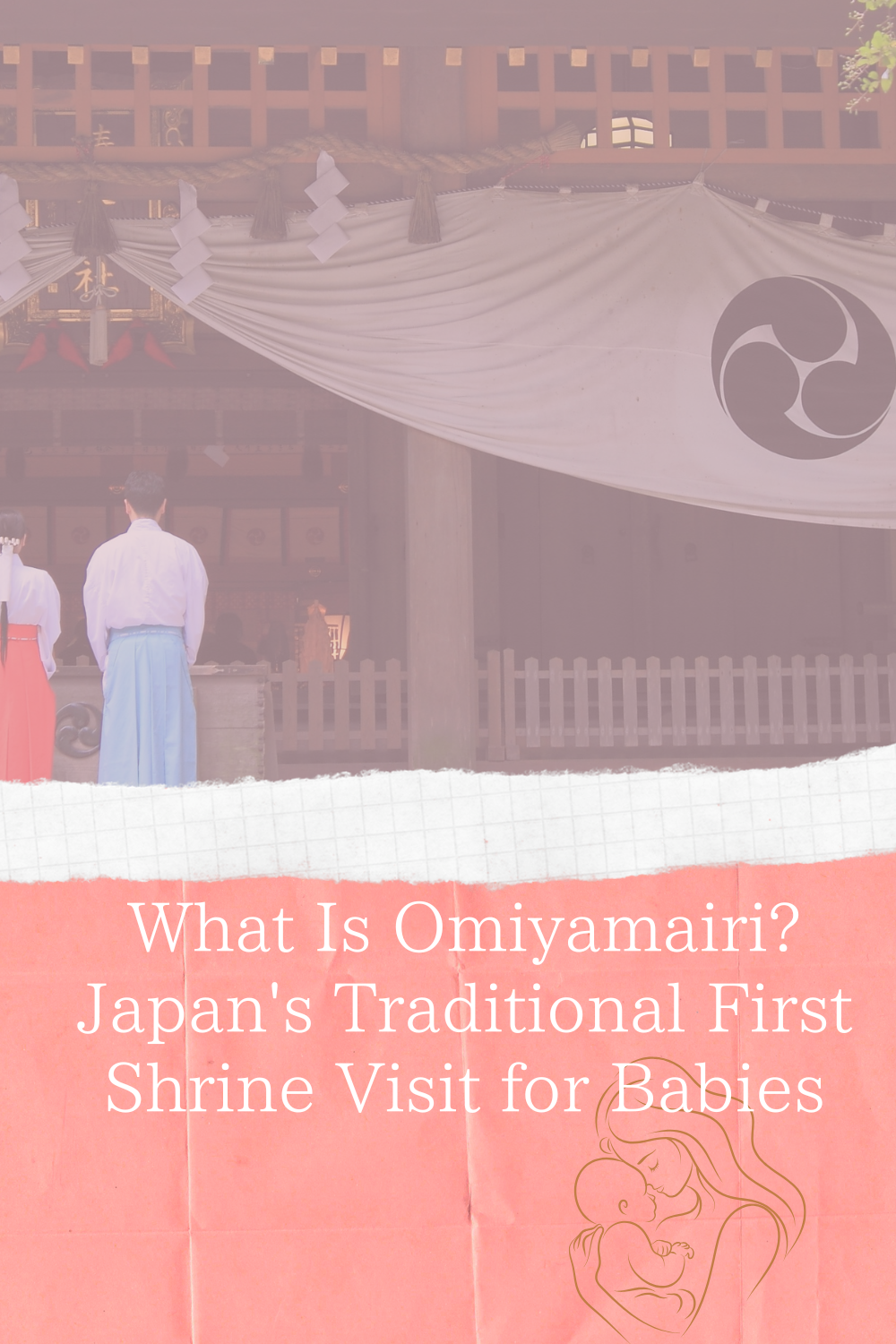
If you have spent time around Japanese families with newborns, you may have heard the word omiyamairi (お宮参り). It is one of the first and most meaningful celebrations in a Japanese baby’s life — and a tradition that has been practiced for centuries.
What Is Omiyamairi?
Omiyamairi is a Shinto ritual in which a newborn baby is brought to a local shrine for the first time. The purpose is to introduce the baby to the enshrined deity and to pray for the child’s healthy growth.
The word itself combines “omiya” (shrine) and “mairi” (visit or worship).
When Does It Happen?
Traditionally, omiyamairi is performed around 30 days after birth for boys and 31–33 days for girls. However, in modern Japan many families visit later — when the mother has recovered, when the weather is more suitable, or when family schedules align. There is no strict rule, and what matters most is that the family feels ready.
What Happens During the Ceremony?
At the shrine, the family registers at the reception desk and pays an offering fee called hatsuhoryou (初穂料). A Shinto priest then performs a blessing ceremony called gokitou, praying for the baby’s health and happiness.
The ceremony is typically quiet and brief — around 20 to 30 minutes including waiting time. At many shrines, no reservation is required for individual families.
What Does the Baby Wear?
The most distinctive part of omiyamairi is the baby’s outfit. Traditionally, the baby is dressed in a white undergarment and then draped with a special celebratory kimono called ubugi (産着) or noshime. This garment is held by the person carrying the baby — often the paternal grandmother in traditional custom, though today it is most commonly the mother.
↓(This wasn’t available on Amazon.com, so I’d like to share the link for Amazon.co.jp.)
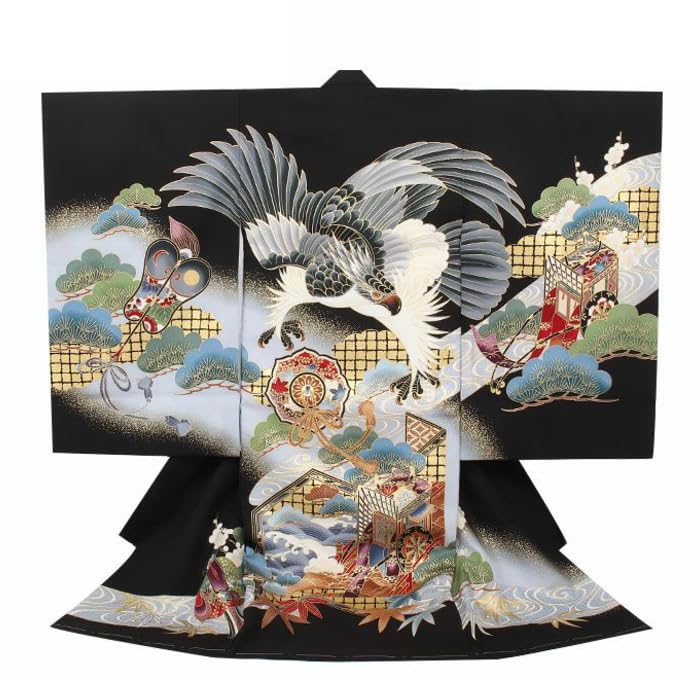
The patterns on the ubugi are meaningful. Girls’ garments often feature flowers, butterflies, or cranes, while boys’ often have auspicious symbols like hawks, tigers, or geometric patterns.
Who Attends?
Omiyamairi is typically attended by the baby’s parents and grandparents. In the past, strict customs dictated who could carry the baby, but today families approach it in whatever way feels right for them.
Is It Only for Shinto Families?
Not necessarily. Many Japanese families who do not practice Shinto regularly still observe omiyamairi as a cultural tradition rather than a strictly religious one — similar to how some families celebrate Christmas without being Christian.
A Tradition Worth Knowing About
Whether you are raising a baby in Japan, planning a visit, or simply curious about Japanese culture, omiyamairi is a beautiful example of how Japanese families mark the early milestones of life with intention and gratitude.
We did our baby’s omiyamairi at Suwa Taisha — you can read about our experience here. [LINK to Suwa Taisha article]

コメント